Does Roof Color Actually Matter? Reflectivity and Downey’s Climate
White versus black flat roofing isn’t just an aesthetic choice, it’s a genuine performance variable, particularly relevant in a climate like Downey’s with long, hot, sun-intensive summers. If you’re choosing between materials or considering a coating, the color and reflectivity question is worth understanding beyond just “which looks better.”
Why Reflectivity Affects More Than Just Roof Temperature
A white or light-colored, reflective membrane surface (common with TPO and PVC) reflects a significant portion of solar radiation rather than absorbing it, keeping the roof surface itself meaningfully cooler than a dark membrane under the same summer sun. This isn’t just about the roof, it affects the building’s interior cooling load too, since less heat transferring through a cooler roof surface generally means less work for your air conditioning.
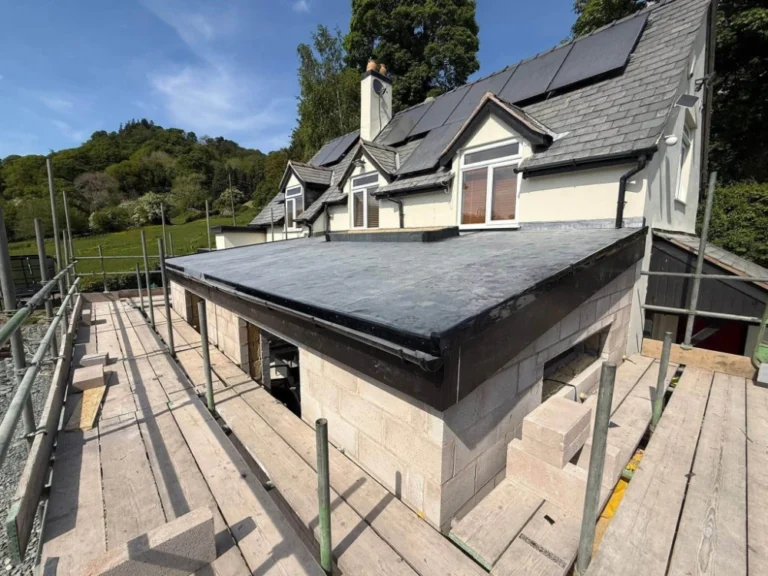
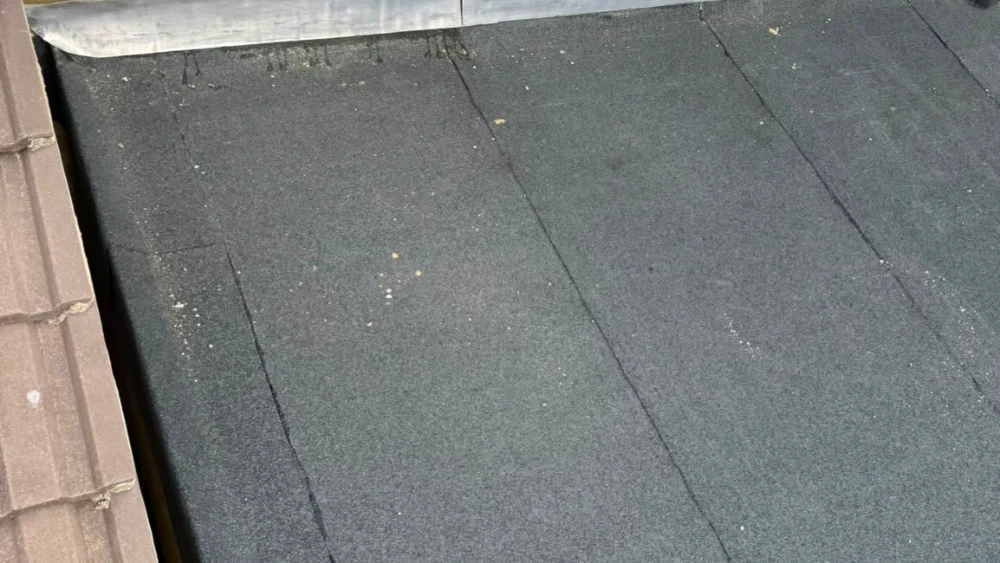
A dark membrane (like standard EPDM) absorbs more solar radiation, running hotter, which can mean higher interior temperatures directly beneath the roof and a heavier cooling burden during Downey’s long summer season.
Does This Affect the Membrane’s Lifespan Too?
There’s a reasonable argument that a cooler-running membrane experiences somewhat less thermal stress over time, though this is one factor among several (material quality, installation, maintenance) that determine actual service life, not a dominant one on its own. It’s worth factoring in, not treating as the deciding consideration by itself.
This reflectivity benefit is also exactly why coating a sound but aging dark membrane with a reflective product is a genuinely effective proactive step, covered in our roof coating guide.
Is Reflectivity Worth Prioritizing Over Other Factors?
For a building with significant flat roof area and real cooling costs during summer, reflectivity is a genuinely worthwhile factor to weigh when choosing between materials or considering a coating. For a smaller flat roof section, a garage or small addition, the cooling cost impact is proportionally smaller, and other factors (chemical resistance, flexibility, budget) may reasonably take priority.
This is worth discussing directly relative to your specific roof’s size and your actual priorities, rather than assuming reflectivity should be the deciding factor in every case.
What We Consider When Discussing Material Options
Reflectivity is one of several factors we discuss when helping you choose a material for a new installation, or deciding whether a reflective coating makes sense for an existing roof. We’ll walk through how it applies specifically to your roof’s size, use, and your actual priorities, rather than treating it as a universal must-have.
Frequently Asked Questions
How much can a reflective roof actually reduce cooling costs?
This varies significantly by roof size relative to the building, insulation quality, and local climate conditions. We can discuss general expectations for your specific situation, though we won’t promise a specific number without assessing your property.
Can a dark membrane be made reflective without full replacement?
Yes, this is exactly what a reflective coating accomplishes on an existing sound membrane, without requiring full replacement.
Does reflectivity fade or wear off over time?
Reflective properties can diminish somewhat with dirt accumulation and UV aging over years, which is part of why periodic maintenance and eventual recoating matters for maintaining the benefit.
Is a white roof always the better choice in a hot climate?
It’s generally advantageous for cooling performance, but material selection should weigh your full set of priorities, not reflectivity alone. We’re glad to discuss this holistically for your specific roof.
Weighing Material or Coating Options for Your Roof?
We’ll discuss reflectivity alongside your other priorities to find the right fit.