Should You Tarp a Leaking Flat Roof? Why This Common Advice Doesn’t Always Apply
“Just throw a tarp on it” is common advice for a leaking roof, and it genuinely works well for a lot of pitched roof situations. On a flat roof, it’s more complicated than that, and applying pitched-roof tarping advice directly to a flat roof situation can be ineffective or, in some cases, counterproductive. Here’s why, and what actually makes sense instead.
Why Tarping Works Differently on a Flat Roof
A tarp on a pitched roof relies on gravity and slope to shed water off the tarp itself, the same way the roofing material underneath is designed to work. On a flat or low-slope roof, that same gravity advantage doesn’t exist, water can pool on top of a tarp rather than running off it, adding weight and potentially finding its way underneath at the edges or seams of the tarp itself.
This means a poorly secured or improperly placed tarp on a flat roof can sometimes make water intrusion worse rather than better, trapping water against the leak point instead of diverting it away.
What Actually Works as a Flat Roof Temporary Measure
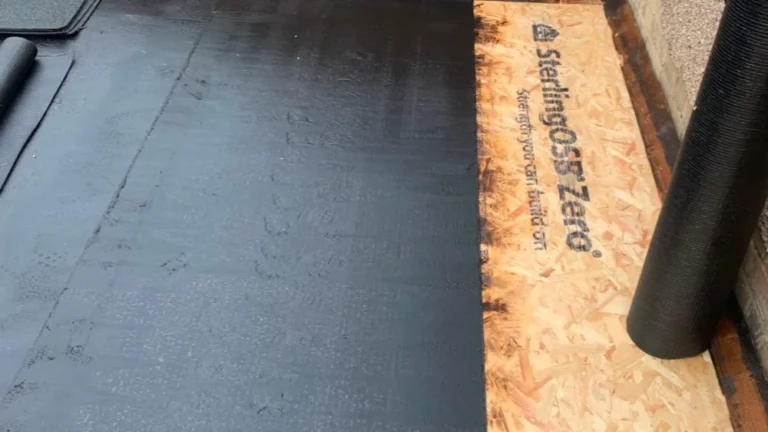
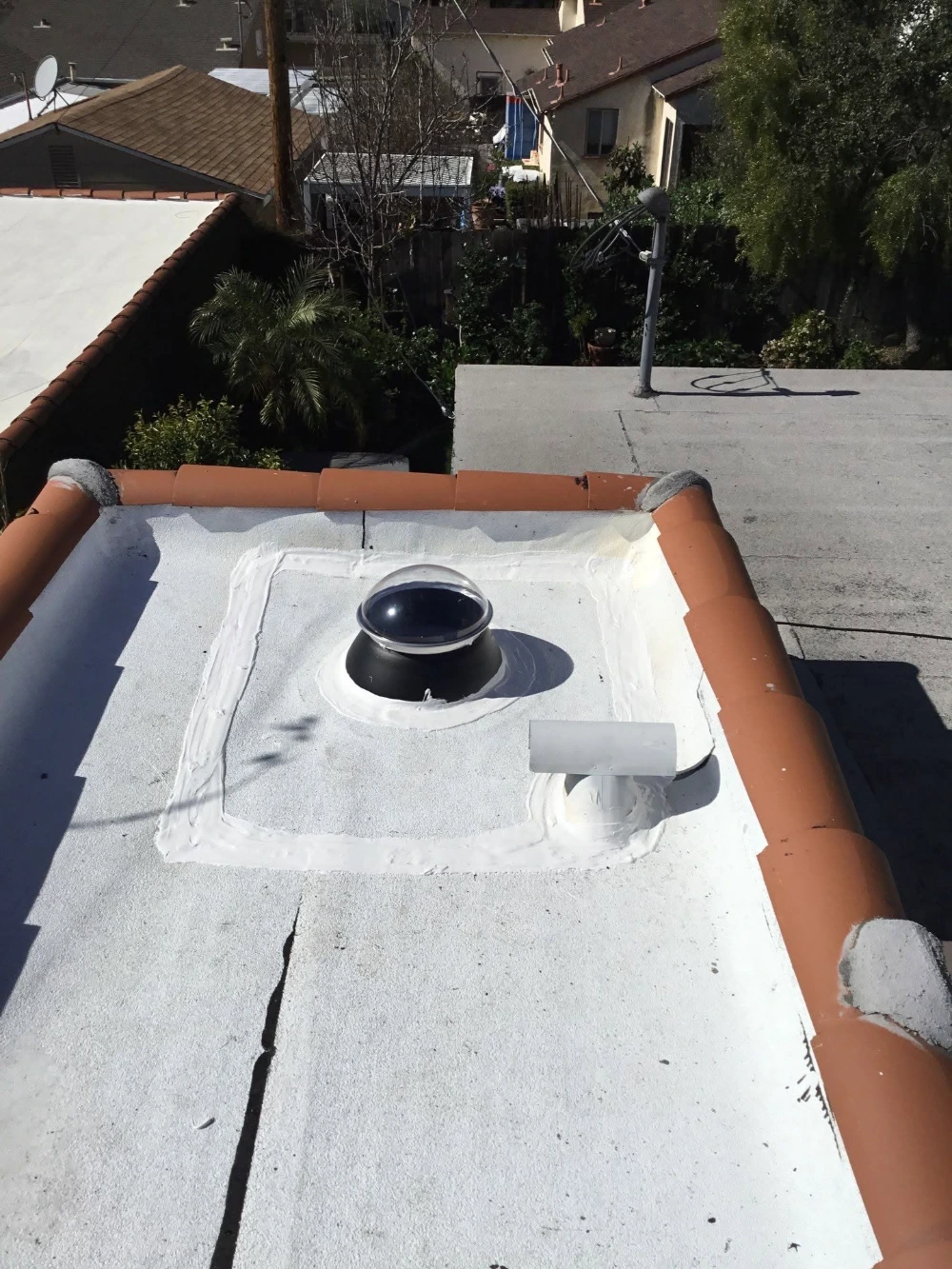
For a genuinely temporary, stopgap measure on a flat roof, a properly applied patch using the correct product for your specific membrane material, covered in our temporary repair guide, is generally more effective than a tarp. This works with the roof’s existing waterproofing system rather than adding a separate, imperfectly integrated layer on top of it.
If a tarp genuinely is the right call for your specific situation, positioning and securing it correctly to actually shed water rather than collect it takes real technique, not just draping material over the affected area.
When to Just Call for Emergency Service Instead
If you’re dealing with an active flat roof leak and considering DIY tarping, it’s worth weighing whether a same-day professional visit with the correct temporary or permanent fix is actually the more effective, and often not meaningfully slower, option. See our emergency checklist for the immediate steps worth taking while you wait for that visit.
We’d rather you call and get the situation genuinely stabilized than spend time on a DIY tarp approach that may not actually solve the problem on a flat roof.
Frequently Asked Questions
Is a tarp ever appropriate for a flat roof?
In specific, limited situations it can help, but it needs to be applied correctly to actually shed water rather than collect it. This isn’t as straightforward as pitched roof tarping.
What should I do instead while waiting for a repair visit?
Focus on interior containment (buckets, moving belongings) rather than DIY exterior measures, unless you’re confident in a properly applied temporary patch specific to your roof material.
Can a poorly placed tarp actually cause more damage?
Yes, this is a genuine risk on flat roofs specifically, since pooled water on or under a tarp can worsen the situation rather than improve it.
How quickly can you respond with a proper temporary fix?
We prioritize same-day response for active leaks. See our same-day repair guide for what determines response time.
Dealing With an Active Flat Roof Leak?
Skip the tarp guesswork, we’ll apply a proper temporary or permanent fix.