Torch-Down Roofing: Is It Still a Safe, Reliable Option?
Torch-down roofing, a modified bitumen system applied using an open flame to melt and fuse the material to the roof, has a reputation that sometimes makes homeowners nervous once they learn how it’s actually installed. “You’re going to use a torch on my roof?” is a genuine, reasonable question. The short answer is that torch-down remains a legitimate, widely-used roofing method, but it does require real expertise and safety discipline, which is worth understanding.
Here’s an honest look at torch-down roofing: how it works, when it makes sense, and what proper safety practice actually looks like.
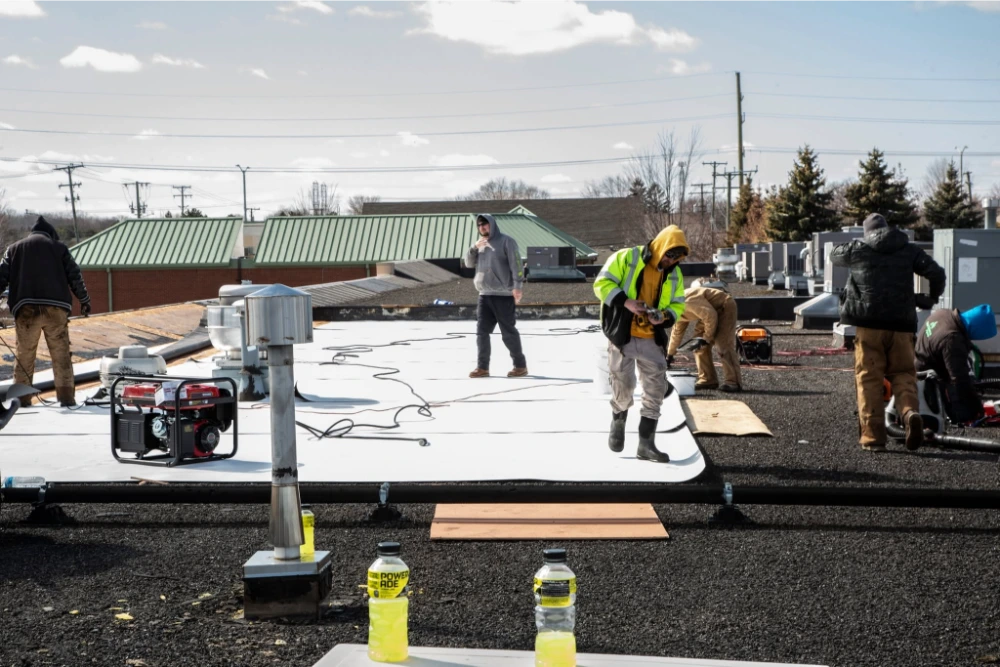
How Torch-Down Actually Works
Modified bitumen sheets have a factory-applied layer that melts under direct heat, fusing to the layer beneath and to adjacent sheets at the seams. A propane torch applies controlled heat as the material is rolled into place, creating a fully bonded, monolithic waterproof surface once complete.
This isn’t a crude or improvised process, it’s a standard, established roofing method with specific technique requirements that a properly trained installer follows consistently.
Why Safety Discipline Matters More Here Than With Other Methods
Open flame near a roof deck, especially an older wood deck, is a genuine fire risk if the installer isn’t following proper technique: correct torch distance, appropriate application speed, and awareness of what’s beneath the layer being applied. This is exactly why torch-down installation isn’t a task for an inexperienced crew, the margin for error is real, unlike some other repair methods where a mistake just means redoing a section.
Reputable installers follow established safety protocols, including having appropriate fire suppression readily available during application and avoiding torch work directly over known combustible conditions without proper precautions.
Is It Still a Good Choice for Your Roof?
Torch-down modified bitumen remains a solid, durable option, particularly valued for its strength and multi-layer redundancy. It’s genuinely comparable to other established flat roofing systems in terms of longevity and performance when properly installed. The safety consideration is about installer competence and discipline, not a reason to avoid the material category itself.
See our torch-down repair guide for the specific repair approach when this material needs attention.
What to Ask If You’re Considering Torch-Down
If you’re evaluating torch-down for a repair or replacement, it’s reasonable to ask directly about the installer’s specific experience with this method and their safety practices during application. A contractor confident in their torch-down technique will answer this directly and specifically, not vaguely.
We handle torch-down repair with the appropriate technique and safety discipline this method requires, and we’re glad to walk through exactly what that looks like for your specific project.
Frequently Asked Questions
Is torch-down roofing more dangerous than other flat roofing methods?
The installation process itself carries more inherent fire risk due to open flame, but this is well-managed with proper installer training and safety practice. It’s not inherently unsafe when done correctly.
How long does properly installed torch-down roofing last?
Comparable to other modified bitumen and multi-layer systems, often reaching 20+ years with proper installation and maintenance.
Are there alternatives to torch application for modified bitumen?
Yes, cold-applied adhesive and self-adhering modified bitumen products exist as alternatives that avoid open flame entirely, worth discussing if torch application is a specific concern for your property.
Can torch-down repair be done on any existing modified bitumen roof?
Generally yes, matching the repair method to the existing material, though we’ll assess your specific roof’s condition and history before recommending the approach.
Considering Torch-Down Roofing?
We’ll walk through the process, safety practices, and whether it’s right for your roof.