Membrane Installation 101: What a New Flat Roof Install Actually Involves
Whether you’re planning a full roof replacement or a new addition that needs its first flat roof, understanding what a proper membrane installation actually involves helps you evaluate a contractor’s process and know what to expect. This isn’t just rolling material onto a surface, there’s a specific sequence that determines how the finished roof actually performs.
It Starts With the Substrate, Not the Membrane
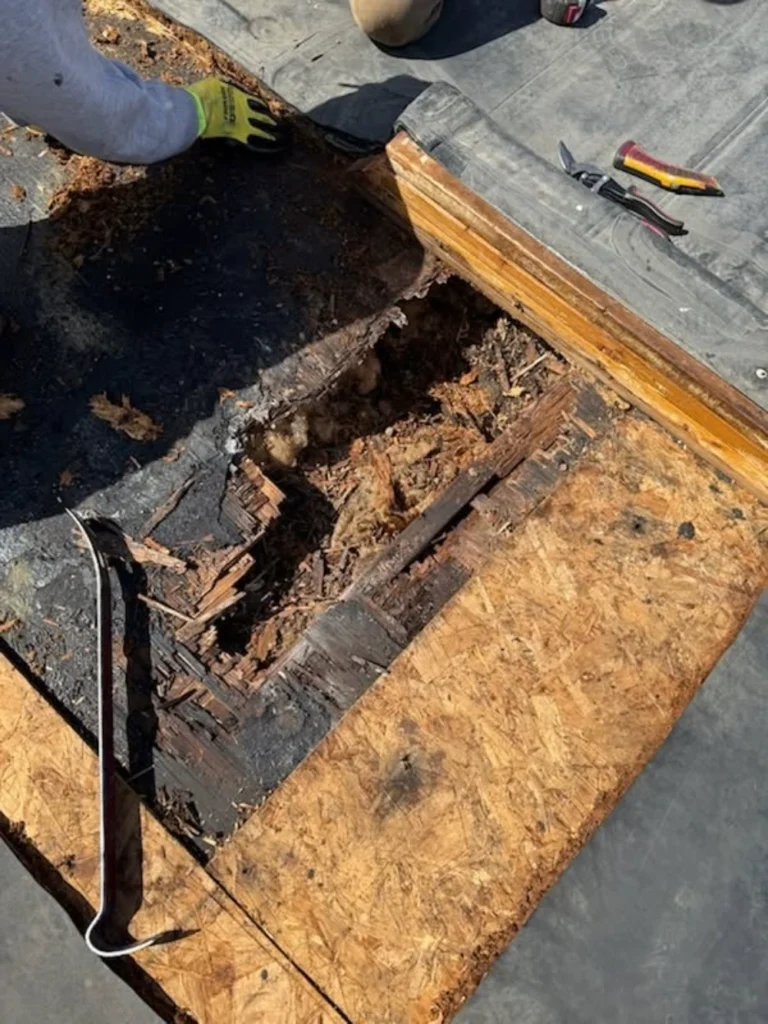
Before any membrane goes down, the deck and insulation layer need to be sound, properly secured, and correctly sloped. Installing new membrane over a compromised or improperly sloped substrate just guarantees the new roof inherits the old problems, sometimes hidden until the first real rain tests it.
This is why a genuine assessment of what’s underneath matters even during what looks like a straightforward material swap, skipping this step is one of the more consequential shortcuts a rushed installation can take.
Seaming Technique Is Where Quality Really Shows
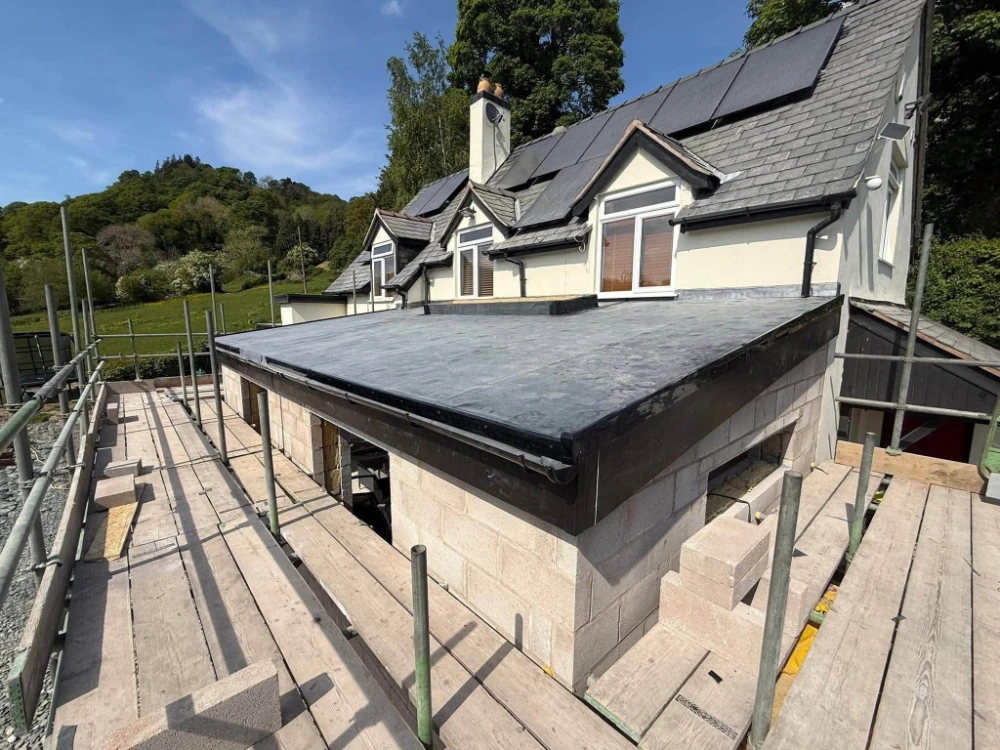
For heat-welded materials (TPO, PVC), consistent, properly fused seams across the entire roof are what determine long-term seam integrity, this is genuinely a skill that varies between installers, not just a mechanical step anyone can do identically. For EPDM, proper primer application and tape placement matters just as much, even without heat involved.
See our material comparison guide for the specific seaming approach each material requires.
Flashing and Transition Detail Deserves as Much Attention as the Field
It’s tempting to think of the open membrane field as the main event and transitions as an afterthought, but the opposite is closer to true for long-term leak prevention. Careful, precise flashing work at every wall, penetration, and edge is what actually determines whether a new roof develops leaks in year two versus year fifteen.
A rushed installation often shows its weakest work exactly at these transition points, since they take more time and skill than the open field per square foot covered.
What to Ask During a New Installation Quote
It’s reasonable to ask a contractor directly about their substrate assessment process, seaming technique for your chosen material, and how they handle flashing detail specifically. A contractor confident in their installation process will discuss this specifically, not just quote a square footage price.
We handle every step of this process, deck and substrate assessment, proper material-specific seaming, and careful transition detailing, as standard practice on every installation, not as an upsell.
Frequently Asked Questions
How long does a new membrane installation typically take?
This varies by roof size and complexity, similar to the factors covered in our repair timeline guide, though a full installation is generally a larger-scope project than a repair.
Can you install over my existing roof, or does it need to be torn off?
This depends on your existing roof’s condition and material compatibility. We’ll assess this directly rather than assuming either approach applies.
Does installation quality really vary that much between contractors?
Yes, genuinely. Substrate assessment, seaming consistency, and flashing detail are all skill-dependent, which is exactly why installer experience matters as much as material choice.
What warranty should I expect on a new installation?
See our warranty guide for what to look for, both material and labor coverage matter for new installation work.
Planning a New Flat Roof Installation?
We’ll walk you through our process, from substrate to final flashing detail.