What Happens to Old Roofing Material? A Look at Flat Roof Removal and Disposal
When a flat roof gets replaced, whatever material comes off the building, old membrane, insulation, sometimes decades of built-up tar and gravel layers, has to go somewhere. This is a genuinely practical question homeowners sometimes ask but rarely get a clear answer to: what actually happens to that removed material, and does it matter for the environment or your project cost?
Here’s a straightforward look at flat roof removal and disposal, and what’s worth knowing before a replacement project.
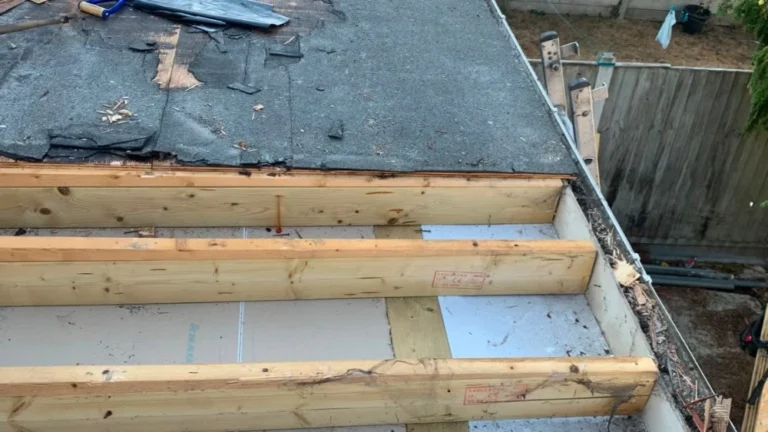
What Gets Removed Depends on the Original System
A single-layer membrane replacement (TPO, EPDM, PVC) typically involves removing just that membrane layer if the insulation and deck beneath are sound. Older built-up roofing (BUR) or tar-and-gravel systems, common on Downey’s original mid-century construction, often involve removing multiple layers of felt, tar, and gravel that accumulated over decades, sometimes including a prior recover done years earlier.
This is part of why removal scope, and therefore disposal volume, varies considerably based on your roof’s specific history, not just its current visible material.
Disposal Is a Real, Standard Part of the Project
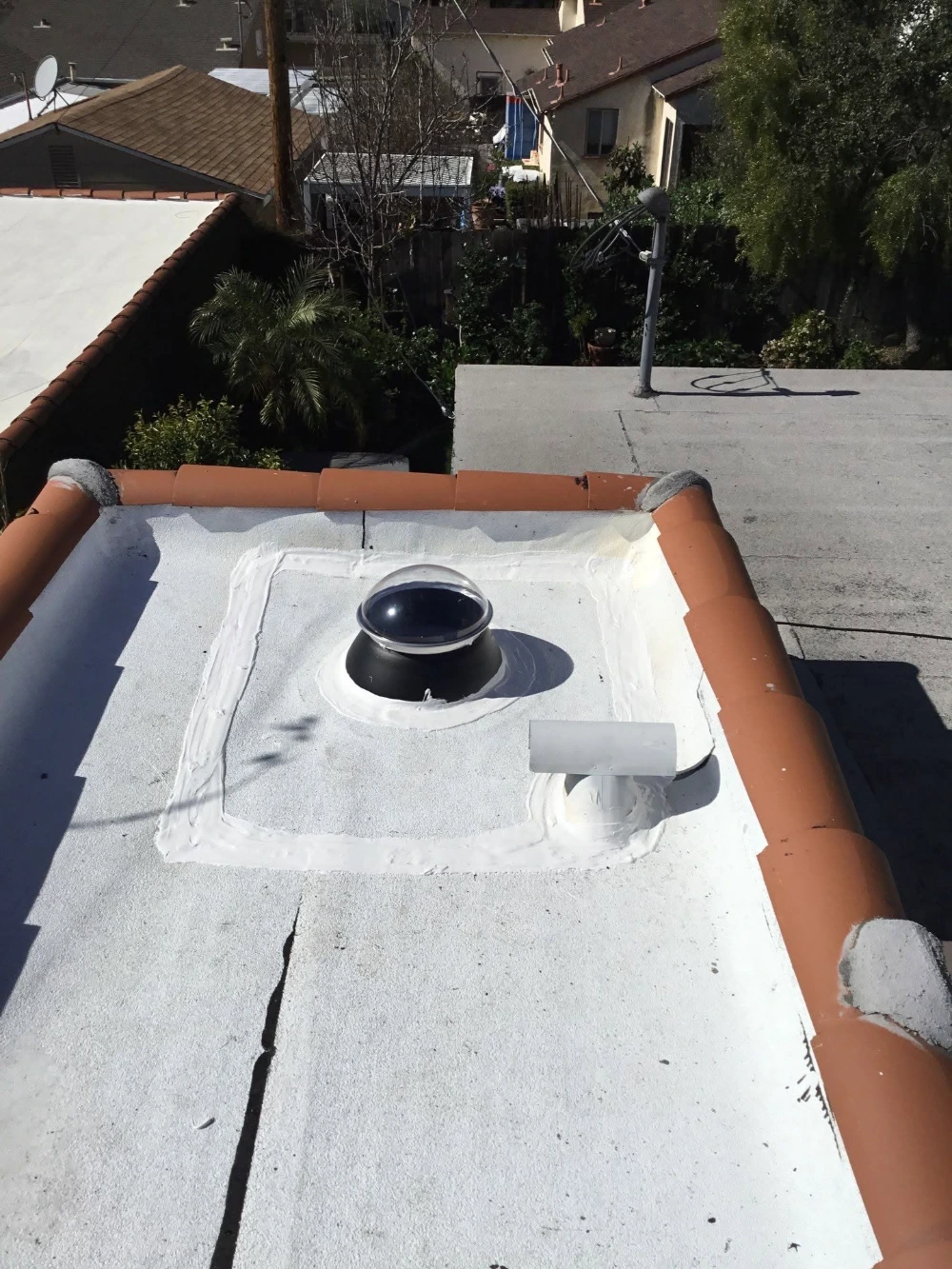
Removed roofing material is hauled away and disposed of through licensed waste disposal channels, and this is standard, included scope for any legitimate roof replacement project, not something that should appear as a surprise add-on cost. See our roofing estimate guide for what a legitimate quote should specify, including disposal and cleanup.
Some materials, particularly certain metal components or specific membrane types, may have recycling options depending on local facilities and material composition, though this varies and isn’t universal across all roofing materials.
Why This Matters Beyond Just Curiosity
Understanding that removal and disposal is a real, sometimes significant part of a replacement project helps set accurate expectations for both cost and timeline. A roof with multiple historical layers, common on older Downey properties, takes longer to remove and generates more disposal volume than a straightforward single-layer tear-off, which is worth understanding as a genuine cost driver rather than an unexpected line item.
What to Ask During a Replacement Quote
If you’re getting quotes for a flat roof replacement, it’s reasonable to ask directly about disposal, whether it’s included in the quoted price, and what the removal process involves for your specific roof’s history. A contractor familiar with your roof’s likely construction era, particularly relevant for Downey’s mid-century housing stock, can give you a more accurate picture before work starts.
We include removal and disposal as standard scope in any replacement quote, and we’re happy to explain what we expect to find once we understand your roof’s age and history.
Frequently Asked Questions
Is disposal always included in a replacement quote?
It should be standard, included scope, but always confirm this directly rather than assuming, since practices can vary between contractors.
Does having multiple historical roof layers increase project cost?
Often yes, since more material removal means more labor and disposal volume. This is why understanding your roof’s history helps set realistic expectations.
Are any flat roofing materials recyclable?
Some materials have recycling options depending on composition and local facilities, though this isn’t universal across all roofing types. Ask directly if this matters to you.
How do I find out how many layers are on my current roof?
A professional assessment, often as part of a replacement quote process, can determine this by examining the roof directly rather than guessing based on visible surface material alone.
Planning a Flat Roof Replacement?
We’ll give you a clear picture of removal scope and disposal as part of your written quote.