Flat Roof Ventilation Explained: Why It Matters More Than You Think
Ventilation is one of the least visible parts of a flat roof system, and one of the most overlooked. Nobody calls asking specifically about ventilation the way they call about a leak or standing water. But inadequate ventilation quietly affects membrane lifespan, energy costs, and moisture buildup in ways that often only get identified once something else, condensation, premature membrane wear, prompts a closer look.
Here’s what flat roof ventilation actually does, and why it’s worth understanding even though it’s not the roof’s most visible feature.
What Ventilation Is Actually Doing
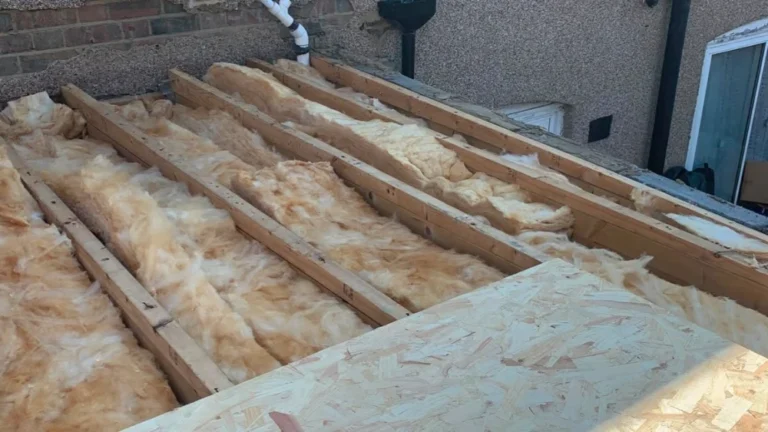
A flat roof assembly typically includes multiple layers: the deck, insulation, and membrane, with the building’s interior conditioned space below. Proper ventilation manages airflow through this assembly, helping regulate temperature and preventing warm, moist interior air from condensing against the cooler underside of the roof deck or membrane.
Without adequate ventilation, that trapped moisture has nowhere to go, which is exactly the mechanism behind the condensation issues we covered in our roof leak vs. condensation guide.
Why It Affects More Than Just Moisture
Beyond moisture control, adequate ventilation helps regulate roof surface and attic or plenum space temperatures, which affects both energy efficiency and membrane longevity. A roof assembly that traps excessive heat puts additional thermal stress on the membrane, potentially accelerating the same UV and thermal aging we cover throughout our materials guides.
This is part of why two roofs of the identical material and age can show meaningfully different wear patterns, ventilation design is a real variable that doesn’t get the attention drainage or material choice typically receives.
Why Older Downey Properties Are Particularly Affected
Ventilation design standards have evolved considerably since the 1950s and 60s, when a significant share of Downey’s flat roof sections were originally built. Original construction from that era wasn’t necessarily designed to today’s ventilation standards, and subsequent additions, insulation upgrades, or partial recovers done over the decades sometimes altered airflow without anyone specifically addressing ventilation as part of that work.
This ties into the broader pattern we cover in our guide on why Downey’s mid-century homes develop flat roof leaks, ventilation is one more variable in that same age-and-construction-era pattern.
When Ventilation Is Worth Addressing
If you’re dealing with recurring condensation issues, unusually high cooling costs relative to your roof’s apparent condition, or planning a roof replacement or major recover, ventilation is worth evaluating as part of that broader assessment rather than treated as an afterthought.
This isn’t something every roof needs actively addressed, a well-ventilated original design often performs fine indefinitely, but it’s a factor worth understanding rather than ignoring entirely, especially on older properties where original design assumptions may not match current conditions or usage.
Frequently Asked Questions
How do I know if my flat roof has a ventilation problem?
Recurring condensation without an obvious separate cause, or unusually high energy costs relative to the building’s size, are worth investigating. A professional assessment can evaluate this alongside other roof condition factors.
Can ventilation be added to an existing roof without full replacement?
Sometimes, depending on the specific roof assembly and what modifications are feasible. This is worth a direct conversation about your specific situation.
Does every flat roof need active ventilation?
Design approaches vary, some systems are designed as unvented assemblies with different moisture management strategies. What matters is that the specific design is appropriate and functioning as intended, not a one-size-fits-all requirement.
Is ventilation something I should ask about during a roof replacement quote?
Yes, it’s a reasonable question to raise, especially if you’ve had prior condensation or moisture issues. A contractor should be able to explain how the proposed system addresses ventilation for your specific roof.
Dealing With Recurring Moisture Issues?
We’ll assess whether ventilation is a factor as part of a complete roof evaluation.