What Foot Traffic Does to Your Flat Roof (And How to Protect It)
A flat roof gets walked on more than most people realize, HVAC technicians, solar installers, satellite or antenna work, sometimes homeowners themselves checking on things. Every one of those visits puts wear on a membrane that isn’t necessarily designed to be a walking surface, and repeated foot traffic in the same paths is a genuinely common, underappreciated cause of premature membrane wear.
Here’s why this matters, and what actually protects a roof that sees regular access.
Why Foot Traffic Actually Damages Membrane
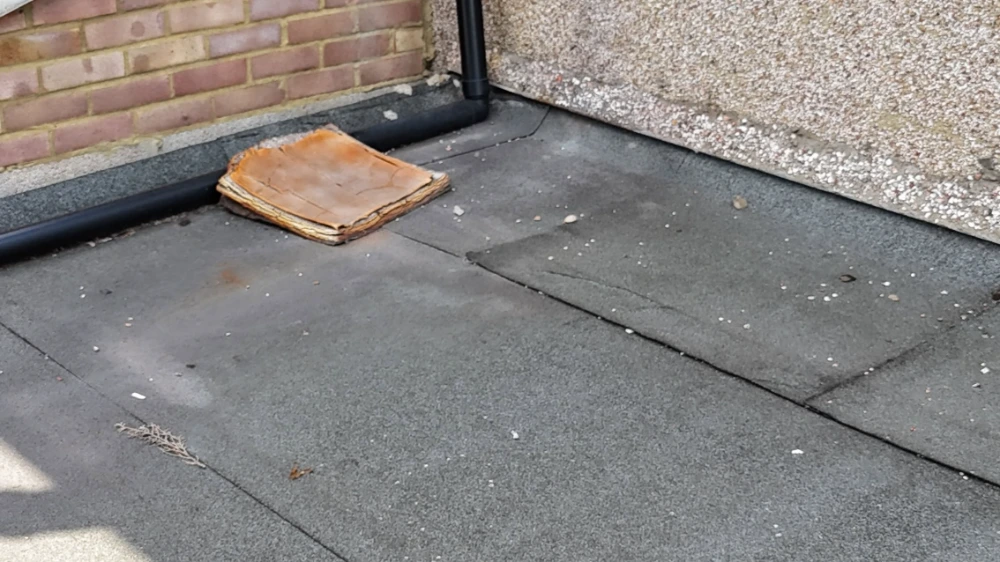
Repeated pressure, especially concentrated along the same walking path to a piece of equipment, gradually compresses and stresses the membrane in that specific area. Over time, this concentrated wear can lead to punctures, seam stress, or accelerated surface degradation exactly along that path, distinct from the more evenly distributed UV and weather aging affecting the rest of the roof.
This is particularly relevant on roofs with regularly serviced equipment, HVAC units, solar arrays, since those create a predictable, repeated traffic pattern rather than occasional, varied access.
Walkway Pads and Protection Systems Exist for This Reason
Designated walkway pads, purpose-built protective mats placed along known access paths, are a straightforward, relatively low-cost way to protect a membrane from concentrated foot traffic wear. If your roof has regular service access to equipment, and doesn’t already have walkway protection along that path, it’s worth considering as a genuinely preventive measure.
This is especially worth addressing if you’re noticing visible wear, thinning, or surface changes specifically along a known access route, that pattern is a strong signal that foot traffic is a contributing factor.
Who’s Walking on Your Roof, and How Often
It’s worth having a general sense of how often your roof actually gets foot traffic, HVAC service visits, solar maintenance, any other regular access, since that frequency directly relates to how much this wear pattern matters for your specific roof. A roof accessed a few times a year has a different risk profile than one with monthly service visits to rooftop equipment.
This is also relevant context to share during an inspection, since it helps us assess whether traffic-related wear is a contributing factor to any issues we find, distinct from general UV or age-related wear.
Protecting a High-Traffic Roof
If your property has regular rooftop equipment service, walkway pads along the access path are a reasonable, low-cost preventive measure. If you’re not sure whether existing traffic patterns have already caused wear, that’s exactly what a thorough inspection checks for, walking the full roof rather than just the reported problem area.
We can recommend and discuss walkway protection as part of any inspection where regular foot traffic is a relevant factor for your specific property.
Frequently Asked Questions
Do I need walkway pads if my roof is rarely accessed?
Not necessarily, the value of walkway protection scales with how frequently and consistently the same path gets walked. Occasional, varied access carries less concentrated risk.
Can walkway pads be added to an existing roof without disrupting the membrane?
Yes, this is generally a straightforward addition that doesn’t require removing or disturbing the existing membrane.
Is foot traffic wear covered under a standard roof warranty?
This varies by warranty terms, some exclude damage from improper access or excessive traffic. Worth checking your specific documentation if this is a concern.
How can I tell if wear on my roof is from foot traffic versus general aging?
A concentrated wear pattern specifically along a known access path, rather than evenly distributed across the roof, points toward foot traffic as a contributing factor.
Have Regular Equipment Access on Your Roof?
We’ll assess whether foot traffic protection makes sense for your specific setup.