The Ultimate Guide to Flat Roof Maintenance for Downey Homeowners
Flat roof maintenance doesn’t get much attention until something goes wrong, and by then you’re usually paying for a repair rather than a preventive check. But the roofs that last the longest, well past their expected lifespan in some cases, almost always have one thing in common: someone was checking on them regularly, catching small issues before they became active leaks.
This is especially true in Downey, where roughly two-thirds of the housing stock dates to the 1940s through 1960s construction boom. A lot of that housing carries original or once-recovered flat roof sections, garages, additions, patio covers, that are now decades past the point where routine maintenance actually matters. Here’s what a real flat roof maintenance routine looks like, and why the timing matters as much as the tasks themselves.
Clear Your Drains Twice a Year, Minimum
This is the single highest-value, lowest-cost maintenance task on any flat roof, and it’s one most homeowners can safely do themselves on an accessible, single-story section. Leaves, roofing granules, and windblown debris accumulate in roof drains and scuppers over time, and a drain that was clear in spring can be significantly blocked by fall.
The right timing is before the rainy season starts in earnest, typically late summer or early fall in Southern California, and again partway through winter if the season brings multiple significant storms. A blocked drain is the single most common cause of the ponding water problems we get called out for, and clearing it is often a five-minute fix that prevents a much bigger one.

Walk the Roof Once a Year and Check the Transitions
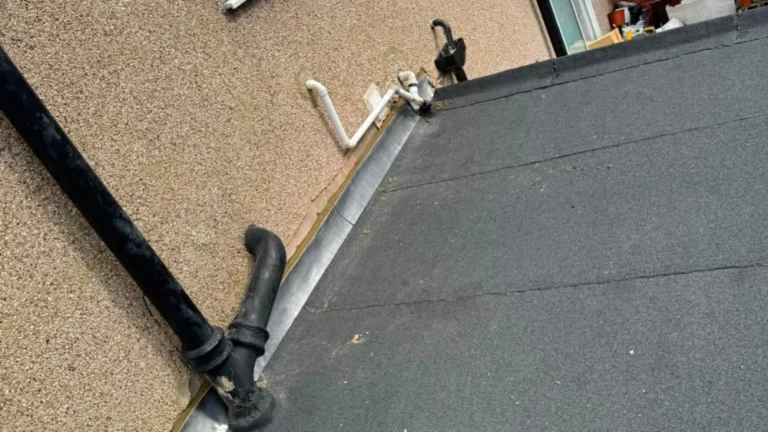
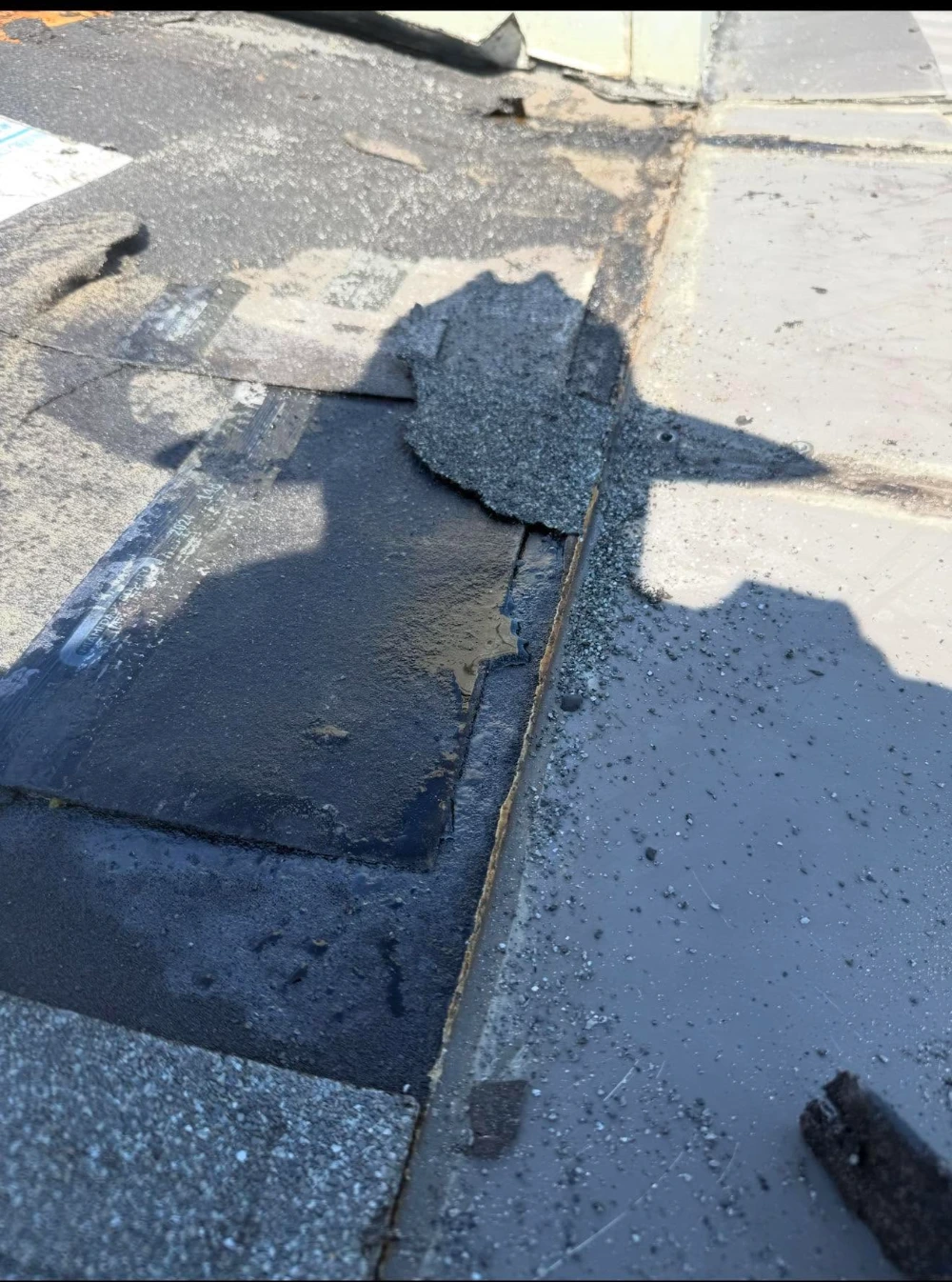
You don’t need to be a roofer to do a basic visual check, though caution matters if the roof is wet, aging, or you’re not comfortable with roof access. Focus specifically on the transitions: parapet walls, flashing around vents and skylights, and any seams you can see. These are, by a wide margin, the most common places a flat roof actually fails, not the open field of the membrane itself.
Look for cracking, lifting, or gaps at these transition points, and note anything that looks different from the last time you checked. If you’re not comfortable walking the roof yourself, this is exactly what a professional annual inspection is designed to catch.

Check Every Penetration, Not Just the Big Ones
Every pipe, vent, and piece of rooftop equipment that passes through your roof needs its own watertight seal, and rubber components like pipe boots degrade faster than the surrounding membrane material, sometimes cracking within 10 to 15 years even on an otherwise sound roof. If you have solar panels, each mounting point is its own penetration and its own potential leak source.
This is a part of maintenance that’s easy to overlook because these small penetrations don’t look like they matter compared to a full section of membrane. In practice, they’re responsible for a disproportionate share of the leaks we diagnose.

Consider a Protective Coating on a Sound Roof
If your roof’s membrane is still structurally sound but showing UV wear, a reflective coating can meaningfully extend its service life and reduce heat load on the building at the same time. This is proactive maintenance, not a repair, and it only makes sense on a roof that doesn’t have active leaks or drainage problems, since coating over an existing issue just delays the real fix.
We cover the specific coating types and when each makes sense in our roof coating guide, but the short version is: coating is for extending a good roof’s life, not for fixing a bad one.
Why Downey’s Housing Stock Makes This Especially Relevant
Downey’s specific combination of an aging housing stock and a hot-dry-summer, short-wet-winter climate creates a predictable stress pattern most homeowners don’t think about until it’s already caused a problem. Long summers UV-degrade membrane surfaces quietly, all season, with no visible sign of damage. Then the first significant rain of the season tests every weak point that summer created, all at once.
We go into this pattern in detail in our guide on why Downey’s mid-century homes develop flat roof leaks, but the practical takeaway is simple: the best time to check your roof is late summer, before that first real test happens, not after.
Building a Maintenance Routine That Actually Works
The homeowners who avoid emergency roof calls aren’t the ones with brand-new roofs, they’re the ones with a simple, consistent routine: clear drains twice a year, walk the roof annually and check the transitions, and get a professional look every few years even without an active problem. If your roof hasn’t had eyes on it in a while, that’s the place to start.
If you’d rather not handle this yourself, or want a baseline assessment before setting up a routine, our maintenance program covers scheduled inspections and minor upkeep tailored to your specific roof’s age and condition.
Frequently Asked Questions
How often should a flat roof actually be inspected professionally?
Every 2-3 years for a roof in good condition, more frequently for an older roof or one with a history of issues. Annual self-checks between professional visits catch most developing problems.
Is roof maintenance worth it on an older BUR or tar-and-gravel roof?
Yes, often more so than on newer roofs, since these systems are common on Downey’s original mid-century construction and are now decades past typical service life. See our BUR repair guide for more.
Does maintenance prevent all future leaks?
No maintenance routine eliminates all risk, but consistent upkeep catches the large majority of developing issues while they’re still cheap, contained fixes rather than emergencies.
What does a flat roof maintenance program typically cost?
It varies by roof size and condition. See our cost guides for context on pricing factors across different service types.
Ready to Set Up a Maintenance Routine for Your Roof?
We’ll assess your roof’s condition and build a plan that fits its age and history.