HVAC Units on Flat Roofs: How to Prevent Equipment-Related Leaks
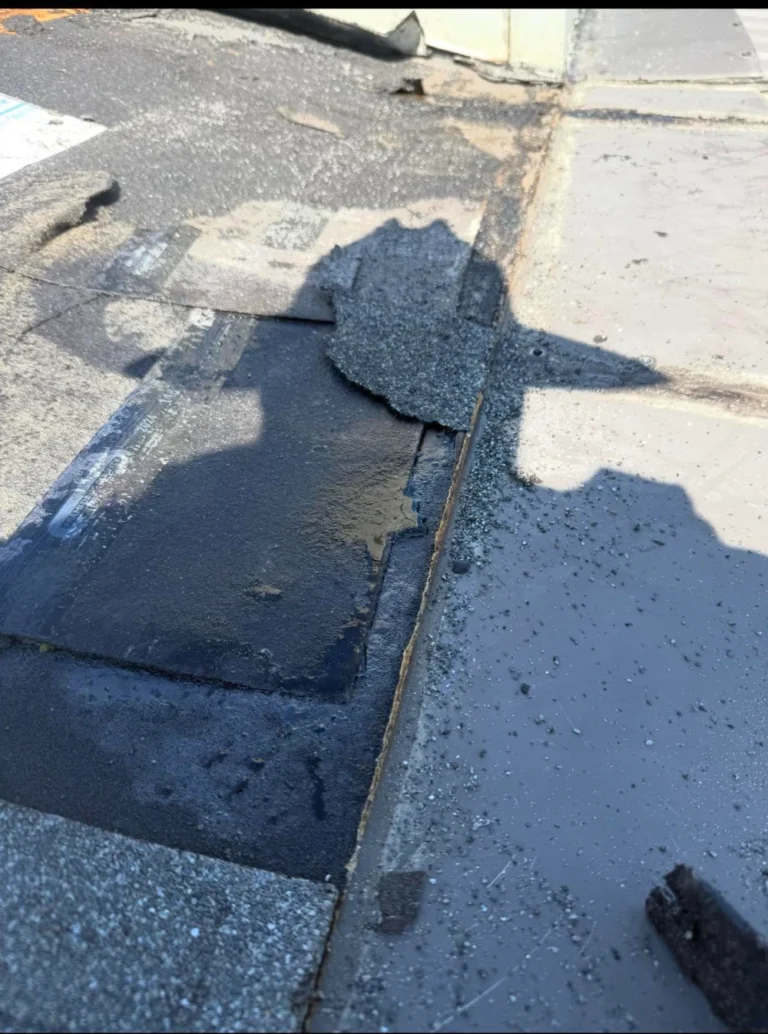
Rooftop HVAC units are common on both commercial flat roofs and residential additions throughout Downey, and they’re also a recurring source of roof leaks that often gets overlooked until a repair or replacement of the unit itself unexpectedly damages the surrounding roof. The equipment and the roof are two separate trades, HVAC and roofing, and problems tend to happen right at the gap between them.
Here’s what actually causes HVAC-related roof leaks, and how to prevent the most common ones.
The Curb Flashing Is the Usual Culprit
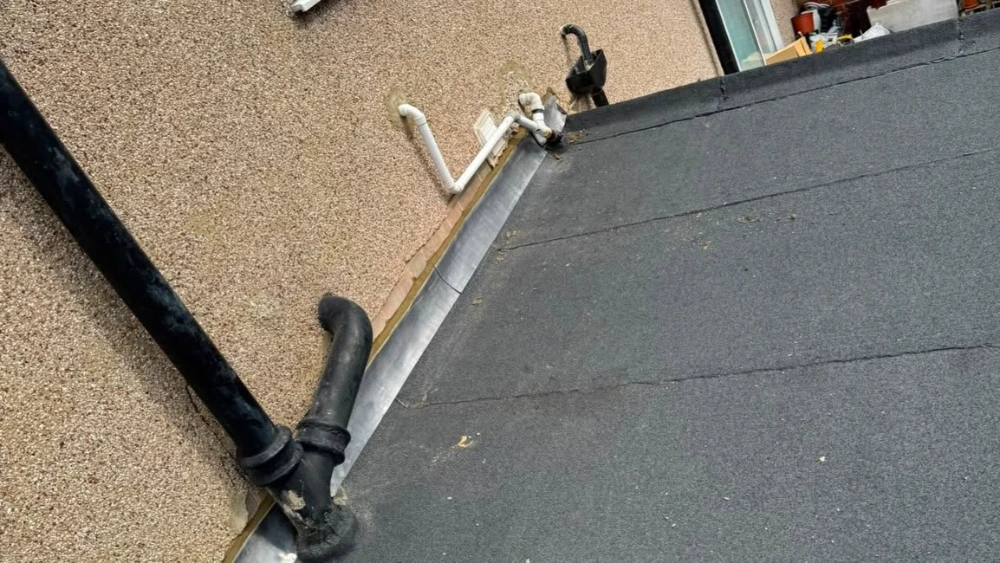
Like a skylight, a rooftop HVAC unit typically sits on a raised curb, with flashing sealing the transition to the surrounding membrane. This flashing needs to be installed correctly when the unit is first placed, and it needs to stay intact through however many equipment service visits, repairs, or replacements happen over the unit’s lifetime.
The specific risk here: HVAC technicians are equipment specialists, not roofing specialists, and equipment service work sometimes disturbs or damages roof flashing without the technician necessarily recognizing it as a roofing issue worth flagging.
Equipment Replacement Is a High-Risk Moment for the Roof
When an HVAC unit is replaced, the curb and surrounding flashing get disturbed, sometimes significantly, during removal and reinstallation of the new unit. This is one of the higher-risk moments for roof damage around equipment, and it’s worth having the roofing side inspected as part of, or shortly after, any HVAC replacement project, not just assuming it’s fine because the new unit runs correctly.
This coordination between HVAC and roofing work is exactly the kind of gap that leads to a leak showing up months after an equipment replacement, with the connection to that earlier work not always obvious.
Condensate Lines Are a Separate, Related Risk
Beyond the curb itself, HVAC condensate drain lines that run across or through the roof need proper support and routing. A condensate line that’s improperly secured or draining onto the roof surface rather than to a proper drain can create a localized, chronic wet spot, different from a membrane leak, but with similar-looking symptoms.
This is worth checking specifically if you’re seeing consistent dampness near rooftop equipment that doesn’t correlate cleanly with rain events, similar to the diagnostic approach in our leak vs. condensation guide.
What to Do If You Have Rooftop Equipment
If your property has rooftop HVAC units, it’s worth having the surrounding roof flashing periodically checked, especially after any equipment service or replacement work. This is a coordination point that often falls through the cracks between two separate trades, and a quick roofing check after equipment work closes that gap.
We assess equipment curb flashing as a standard part of any inspection where rooftop HVAC is present, and we’re happy to coordinate with your HVAC contractor if equipment work and roof repair need to happen together.
Frequently Asked Questions
Should I have my roof checked every time HVAC service happens?
For routine maintenance, not necessarily. For equipment replacement or any repair that involves removing or significantly disturbing the unit, yes, it’s worth a roofing check afterward.
Can you coordinate directly with my HVAC contractor?
Yes, we’re glad to coordinate scheduling and communicate directly about flashing condition if equipment work is happening on your property.
Is a leak near HVAC equipment always related to the equipment?
Not always, it could be an unrelated membrane issue that happens to be near the unit. Proper diagnosis distinguishes between the two rather than assuming based on proximity alone.
Does this apply to residential properties, or just commercial buildings?
Both. Residential additions with rooftop HVAC units face the same curb flashing considerations as larger commercial installations.
Recently Had HVAC Work Done on Your Roof?
We’ll check the surrounding flashing to make sure nothing was disturbed.