
Filing an Insurance Claim for Roof Storm Damage: A Step-by-Step Walkthrough
Knowing that storm damage is generally covered by insurance is one thing. Actually filing a claim that gets approved smoothly is another. The process trips people up less because of the roofing itself and more because of documentation gaps, timing issues, and not knowing what an adjuster is actually looking for.
Here’s a practical walkthrough of the process, from the moment you notice storm damage to getting the claim resolved.
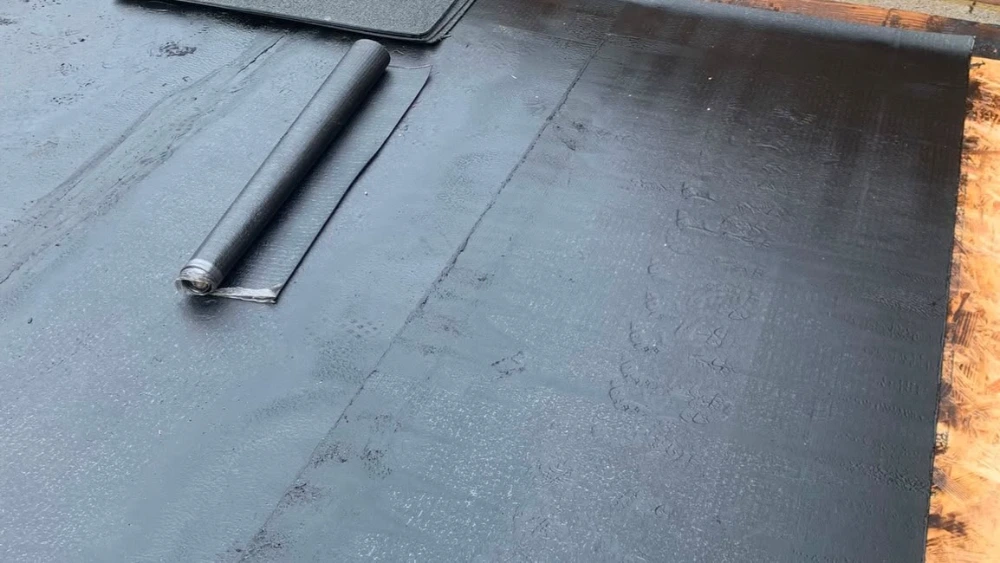
Step 1: Document Immediately, Before Any Cleanup
Photograph the damage as soon as you notice it, both the interior signs (ceiling stains, water) and, if safely visible, the roof itself. Note the date and, if you can, the specific weather event, storm name or date if known, wind speeds if reported locally. This timestamp matters enormously for connecting the damage to a specific covered event rather than leaving it ambiguous.
Avoid starting repairs before documentation is complete unless it’s a genuine emergency requiring immediate water containment, in which case document first, then act to prevent further damage.
Step 2: Contact Your Insurer Promptly
Most policies have a reasonable timeframe for reporting damage, and prompt reporting generally works in your favor for both coverage and processing speed. When you call, describe the damage plainly and reference the specific storm or wind event if you have a date.
Ask directly what your policy requires for the claim, whether that’s a specific inspection process, particular documentation, or a deductible amount you should know upfront.

Step 3: Get a Professional Assessment Before the Adjuster Visits
Having your own documented, professional roof assessment before or alongside the insurance adjuster’s visit gives you an independent reference point. This isn’t about contradicting the adjuster, it’s about making sure nothing gets missed and that you have expert documentation supporting your understanding of the damage.
We provide written, photo-documented assessments specifically useful for this purpose, and we’re happy to discuss what we found directly if that helps your claims process.
Step 4: Understand What’s Actually Covered vs. Excluded
This is where claims most often run into friction. Sudden, identifiable damage from a specific event is generally covered. Damage that developed gradually from age or lack of maintenance typically isn’t, even if a storm is what finally caused it to become visible as a leak. If an adjuster attributes damage to “wear and tear” rather than the storm, and you believe that’s inaccurate, your own documentation and professional assessment become your strongest tool for pushing back.
See our insurance coverage guide for more on how this distinction typically gets made.
Step 5: Get Repair Estimates That Match What Insurance Will Actually Cover
Once a claim is approved, get a written, itemized repair estimate that clearly maps to what the claim covers. This helps avoid confusion later about what’s included versus what might be an out-of-pocket addition, and it gives you a clear document for both the insurer’s records and your own.
If you’re navigating a claim right now, we’re glad to provide documentation and estimates structured to support your specific insurance process, not just a generic repair quote.
Frequently Asked Questions
How long do I have to file a claim after storm damage?
This varies by policy and insurer. Check your specific policy documents, but prompt reporting, ideally within days of noticing damage, is generally the safer approach.
What if my claim gets denied?
You can typically request a formal review or appeal. Having independent, professional documentation of the damage significantly strengthens this process.
Does filing a claim always affect my premium?
This depends on your insurer and policy history. Worth asking your agent directly if this is a concern before filing.
Can you work directly with my insurance adjuster?
Yes, we’re happy to communicate directly with adjusters and provide whatever documentation supports an accurate assessment of the damage.
Navigating a Storm Damage Insurance Claim?
We provide documentation and assessments structured to support your claims process.


One Comment