The Real Cost of Ignoring a Small Roof Leak
A small water stain in the corner of a ceiling is easy to rationalize away. It’s not dripping. It’s not spreading, or not spreading fast. Life is busy, and calling someone about a spot you can barely see feels like an overreaction. This is exactly how a genuinely minor, cheap-to-fix issue turns into a much larger repair, not because the leak itself got dramatically worse overnight, but because of what happens quietly in the weeks and months while it’s ignored.
Here’s what actually happens during that waiting period, and why the math rarely favors waiting.
Insulation Absorbs Water Long Before You See It
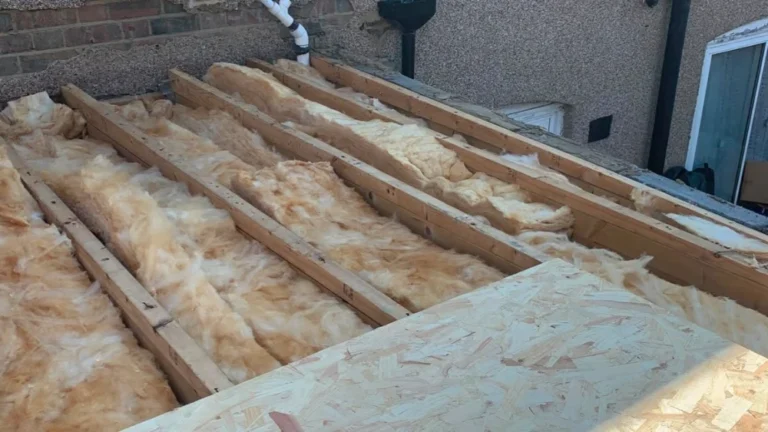
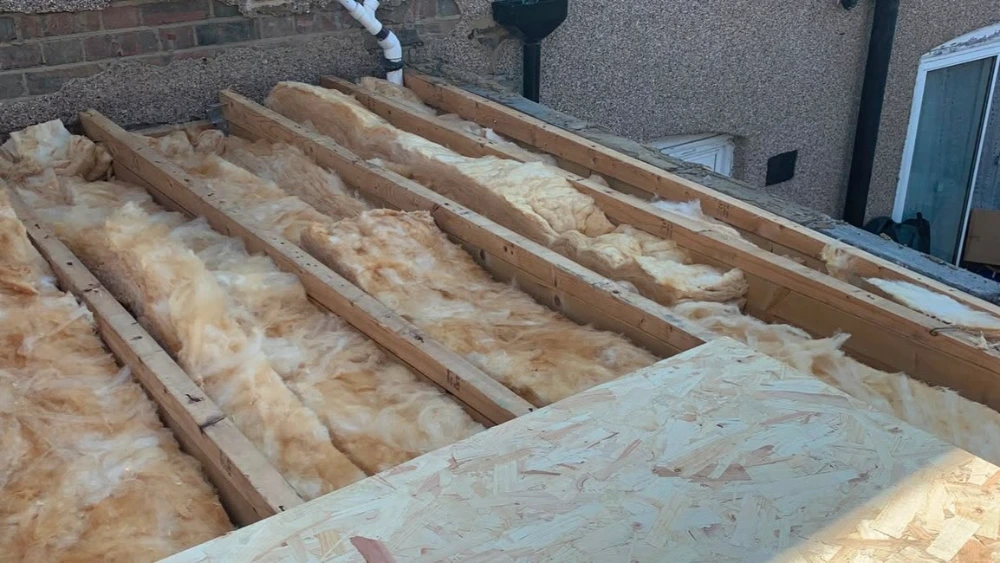
By the time a stain is visible on your ceiling, water has typically already been present in the insulation layer above it for some time. Wet insulation loses much of its effectiveness, and depending on the type, it can also promote mold growth in an enclosed space you can’t see or easily access.
This means the visible stain, the part that finally prompted you to notice something’s wrong, actually represents a problem that’s already been developing for a while, not a fresh, just-started issue.
The Roof Deck Is Next
Continued moisture exposure eventually reaches the roof deck itself, the structural layer the membrane sits on. Wood decking that stays wet can begin to soften and delaminate. What started as a membrane-level fix, a seam or flashing repair, can become a deck repair if this progresses far enough, which is a meaningfully larger scope of work.
This is the point where a small percentage of homeowners describe being surprised by how much a “simple leak” ended up costing, and it’s almost always because the delay allowed the damage to reach this structural layer.

Interior Damage Compounds With Every Rain
A leak that’s technically “minor” during one storm doesn’t stay contained to that single event. It reactivates every time it rains, adding incremental damage to drywall, paint, and potentially flooring or belongings beneath it each time. Damage that would have been a single, contained repair after one storm becomes cumulative interior damage across an entire rainy season if left unaddressed.
This is separate from the roof repair cost itself, interior repairs (drywall, paint, sometimes flooring) are an additional expense layered on top of whatever the roof repair ends up costing.
Why the Math Rarely Favors Waiting
A contained, early repair is almost always the cheapest version of any given roof problem. Waiting doesn’t make the underlying cause go away, it gives that cause more opportunities to cause damage, and it risks the problem progressing from a membrane-level fix to a deck-level one. Add potential interior repair costs on top, and the total cost of “waiting to see” frequently exceeds what an early, contained repair would have cost, sometimes significantly.
This isn’t a scare tactic, it’s the pattern we see consistently across genuinely minor leaks that went unaddressed for months. We’d rather you call about something that turns out to be nothing than wait on something that turns out to matter.
If You’ve Been Putting Off Checking a Small Stain
A free inspection costs you nothing and takes the guesswork out of the decision. If it’s genuinely minor and stable, we’ll tell you that honestly, no pressure to book work you don’t need. If it’s worth addressing, you’ll know now, while it’s still the cheaper version of the problem to fix.
See our guide on what actually counts as a minor roof leak if you’re trying to gauge urgency before calling.
Frequently Asked Questions
How long does it typically take for a small leak to become a bigger problem?
This varies significantly based on the specific cause, roof material, and how much rain occurs in the meantime. There’s no universal timeline, which is exactly why an early check matters rather than trying to estimate how much time you have.
Is a stain that hasn’t grown in months still worth checking?
Yes. Stability on the surface doesn’t guarantee the insulation or deck above it hasn’t been affected. A quick inspection resolves this uncertainty either way.
Does homeowners insurance cover damage caused by a delayed repair?
Often not, since insurers may view a known, unaddressed issue as a maintenance failure rather than sudden damage. This is a real financial reason to address issues promptly rather than delaying.
What’s the very first thing I should do if I notice a small stain?
Note the date and take a photo, then schedule an inspection. See our full documentation guide for what else is useful to record.
Noticed a Small Stain You’ve Been Putting Off Checking?
A free inspection now is almost always cheaper than waiting.